Common Mistakes First-Time Visitors Make in Florence
Florence is small enough to walk across in half an hour and dense enough to swallow a week. That combination catches people out. First-time visitors arrive expecting a relaxed city of open doors and late kitchens, then spend their mornings in the wrong queue, their afternoons walking further than planned, and their evenings eating badly within sight of the Duomo. None of it is a disaster. All of it is avoidable.
What follows is not a list of rules. It is a list of patterns — the same handful of misjudgements that show up again and again, and the simple adjustments that fix them.
Standing in the Wrong Line at the Uffizi and Accademia
The single most common error is assuming you can turn up and buy a ticket. In high season, the Uffizi and the Accademia — home to Michelangelo's David — routinely sell out their timed slots days ahead. The queue you see snaking along the street is usually the queue for people without reservations, and it moves slowly.
Both museums sell timed entry through their official websites, and booking costs a small premium that is worth every cent. Do it as soon as your dates are fixed, especially for April through October.
- Choose two or three collections that genuinely matter to you, not six. The Uffizi alone can absorb three hours without effort.
- Book the first slot of the morning or the last of the afternoon. Mid-morning to early afternoon is when group tours concentrate.
- Arrive fifteen minutes early with your confirmation and identification. Late arrivals are often refused, politely but firmly.
- Check closing days before you build a plan around a museum. Several major sites close on Mondays, and opening hours shift around public holidays.
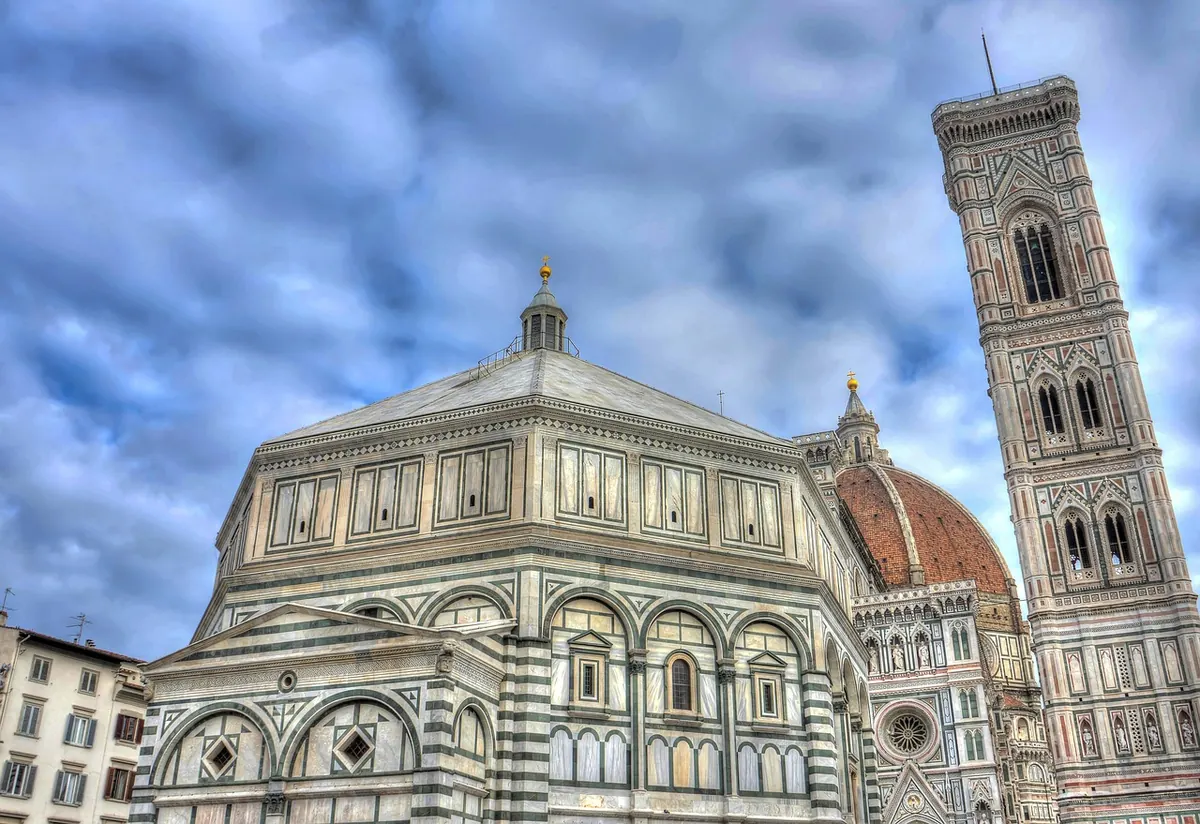
One more trap: the Duomo complex is not a single queue. The cathedral itself is free to enter and has its own line, while Brunelleschi's Dome, Giotto's Bell Tower, the Baptistery and the museum use a combined ticket with reserved times for the dome climb. Read the ticket description properly before you join anything.
Treating Restaurant Hours Like Home
Florence does not eat on demand. Most trattorie serve lunch from roughly midday to half past two, then close the kitchen and often the whole room until around seven in the evening. Arrive at four o'clock hungry and your options shrink to bars, panini shops and the occasional aperitivo spread.
A kitchen that closes at 2:30 pm is not being unhelpful. It is simply how lunch works here.
Dinner usually starts late by northern European standards. Turning up at 19:00 is fine at some places and early at others; 20:00 is safe. Many family-run restaurants also close one day a week, frequently Sunday or Monday, and take a few weeks off in August. A two-minute check on the door or website saves an evening's wandering.
Two smaller things worth knowing. A per-person cover charge on the bill is normal and not a scam. And coffee has two prices: standing at the bar costs a fraction of sitting at a table, particularly on a grand piazza. Order at the counter, drink it like a local, and keep the difference for lunch.
Underestimating Distances, and the Rules Around Driving
The historic centre is genuinely compact: from the Duomo to Ponte Vecchio is a ten- to fifteen-minute walk, and Santa Croce to the train station about twenty. The mistake is measuring in map distance rather than actual time. Crowds, one-way lanes, and the temptation to stop every ninety seconds for a photograph easily double your estimate.
Plan by hours, not kilometres. Group sights by neighbourhood — Duomo and San Lorenzo together, Santa Croce and the river together, Santo Spirito and the Oltrarno together — and accept that you will walk more than you think. Comfortable shoes are not a cliché here; the paving is uneven and stone is unforgiving.
If you are collecting a hire car, know that much of the centre is a limited traffic zone, monitored by cameras. Driving into it without authorisation brings a fine that can arrive months later. Park outside the centre or pick the car up on your way out of town.
Arriving at the Worst Possible Times
Timing decides whether you remember a piazza or merely survive it. The worst windows are typically late morning to mid-afternoon in summer, weekends year-round, and the days around major holidays. Cruise-ship days and long weekends can double the crowd in a square that felt empty the day before.
Use the edges of the day. Early morning, from seven to nine, is Florence at its best: shutters going up, delivery vans being unloaded, the Duomo façade in clean light with room to stand back and look at it. Late afternoon has a similar effect — the light is better and the day-trippers have thinned.
Piazzale Michelangelo is worth the climb for sunset, but arrive well before it to claim a spot on the steps. If the crowd is too much, walk back down towards San Niccolò and take the quieter streets instead.
The Small Habits That Give You Away
None of these will ruin a trip, but fixing them makes the city noticeably easier to move through.
- Dress for a church, not a beach. Shoulders and knees covered is the standard expectation in basilicas, including the Duomo. Keep a light scarf in your bag.
- Do not picnic on church steps. City rules restrict eating in front of several historic buildings, and locals notice.
- Skip restaurants with photo menus and touts at the door. Walk two streets away from any major piazza and quality improves while prices fall.
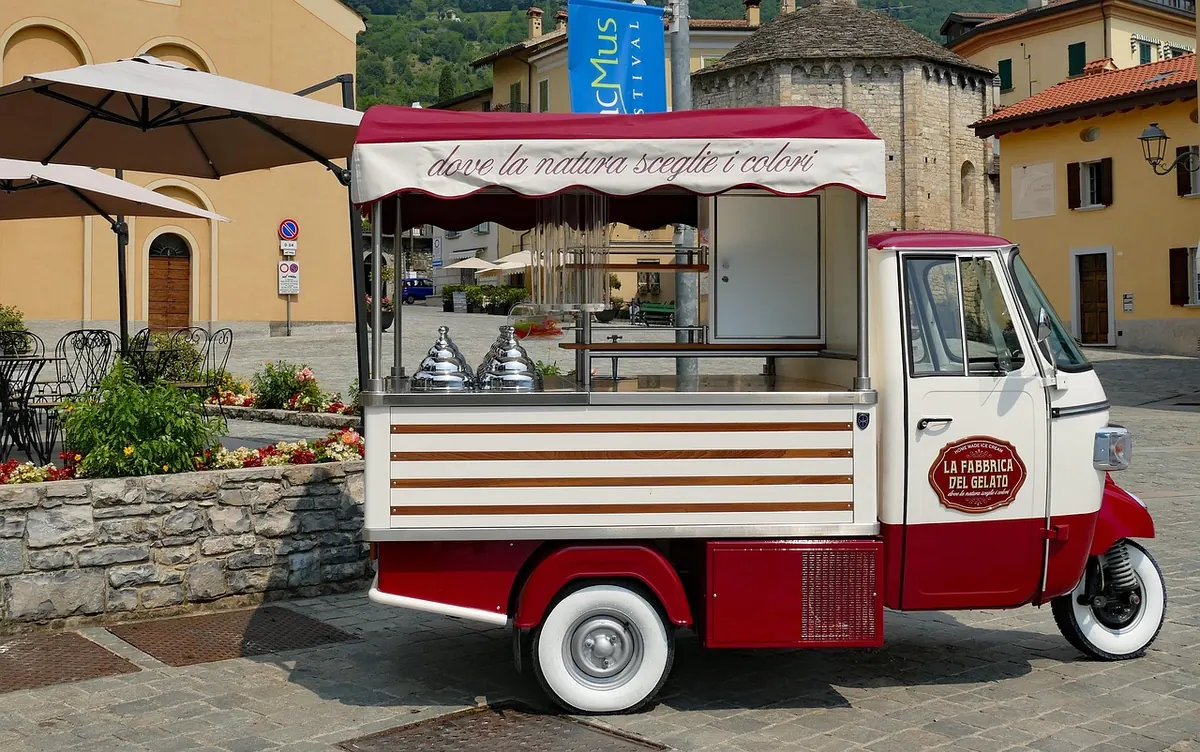
- Choose gelato from covered metal tubs rather than towering neon mounds. Look for the word artigianale.
- Carry a water bottle. The city's public fountains run with drinkable water and refilling is normal.
- Do not buy counterfeit goods from street sellers. Buying fakes can carry a fine for the purchaser.
- Use tabacchi shops for bus tickets and stamps; you will not find them on the bus.
A Simple Plan for Your First Morning
Book your museum slots before you travel, with at least one morning reserved for the Uffizi or the Accademia. Start the day early, on foot, with a coffee at a bar counter and no fixed route beyond a roughly sensible direction. Eat lunch when the city eats, between twelve and half past one, and let the early afternoon be slow — that is what the closed kitchens are for. Keep the evening for a long walk and a later dinner.
Florence rewards people who accept its rhythm rather than fighting it. Get the tickets sorted, learn when the kitchens open, and measure your days in hours rather than kilometres. The rest — the light on the Arno, the side chapel you did not plan to find — tends to look after itself.
Photo: Michelle-Maria / Pixabay