Italy's Ferragosto Explained: What Closes and How to Plan Around It
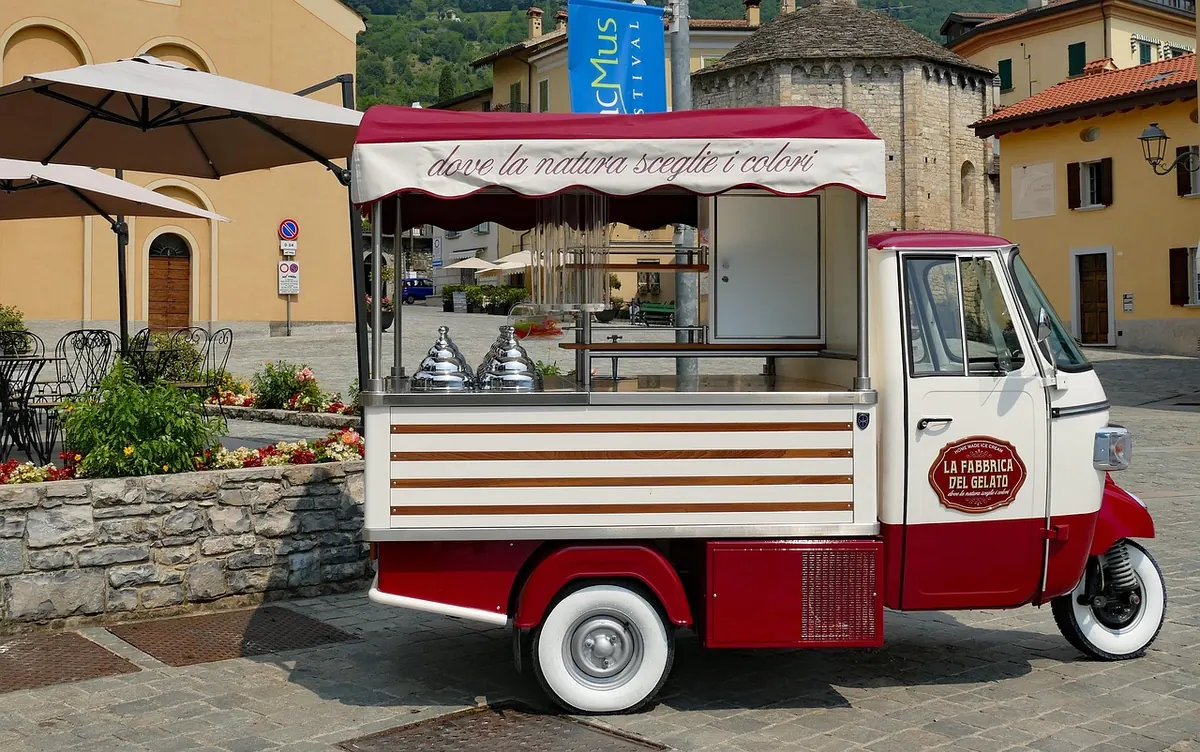
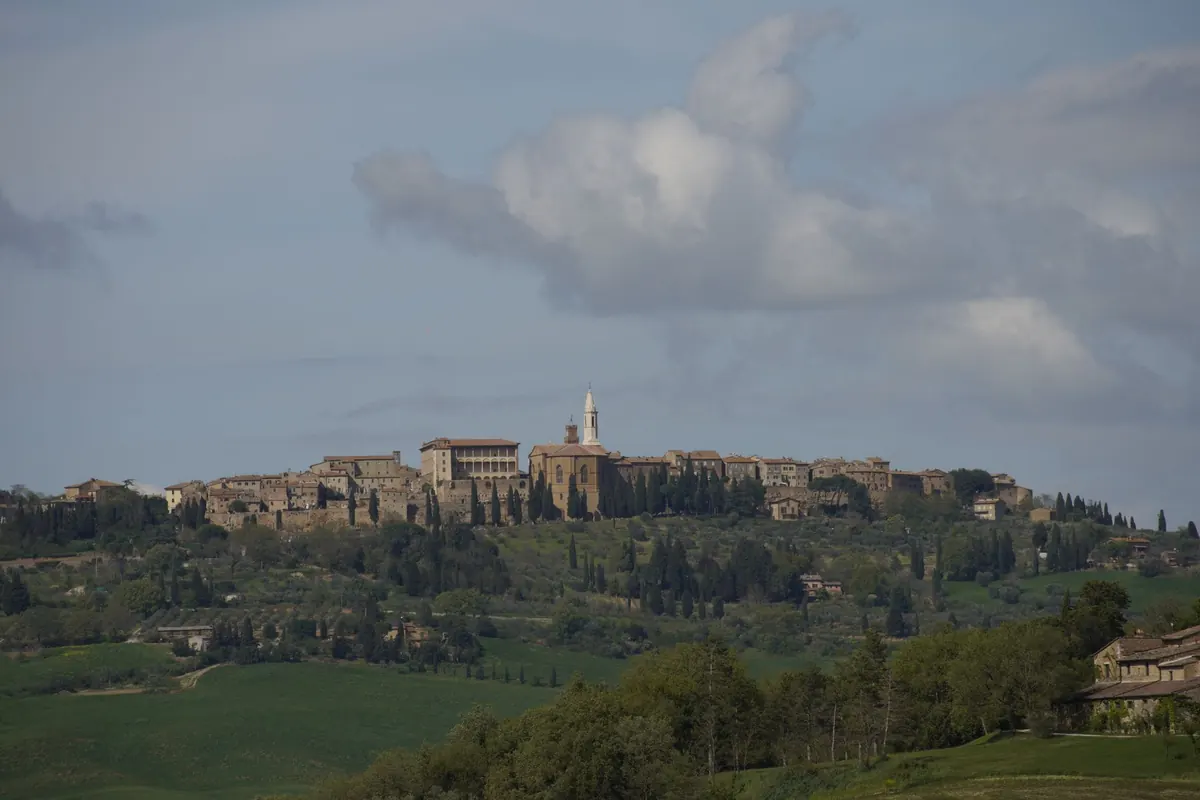
Try to buy a loaf of bread in a small Italian town on 15 August and you will learn more about Ferragosto than any guidebook can teach you. The bakery is dark. The butcher has left a handwritten note taped to the shutter. The square sits empty until evening, when it suddenly fills with people back from the beach or from a lunch that started at one and ended at five. Ferragosto is a single national holiday, but its real effect is broader: it quietly reorganises the Italian summer for a week or two on either side.
What Ferragosto Actually Is
It is both a public holiday and a cultural ritual, and the two layers explain why it feels bigger than a date on a calendar. The name comes from the Feriae Augusti, a period of rest that Augustus established in 18 BC at the end of the harvest, when animals were decorated, races were run and workers received small gifts. Centuries later the Church gave the mid-August date a second meaning: the Assumption of Mary, the Assunta, which remains the religious heart of the day, marked by masses and processions in towns across the country.
In the 1930s the regime promoted discounted Ferragosto trains so that families could afford a day out, and the habit of the mid-August excursion took root. That is why the classic Ferragosto can take three shapes at once: a restaurant table booked weeks in advance, a picnic in the shade of a pine wood, or a grill outside a mountain hut. Say buon Ferragosto to whoever you meet and you will get a smile back. It is the ordinary greeting of the day, and people mean it.
What Closes on August 15
Because 15 August is a national public holiday, anything official stops. The rest is patchy, and the dividing line runs less between north and south than between places that live off visitors and places that live off residents.
- Banks, post offices and public offices: closed all day. If you need a counter, a stamp, a permit or an appointment, plan around it rather than hoping.
- Small shops: bakeries, butchers, hardware stores and family-run businesses often shut, some for the day and some for a fortnight. Notes on shutters are the local news service; read them.
- Supermarkets: large chains in cities and tourist areas usually open, sometimes with reduced hours. Neighbourhood stores may not open at all. Check the door the day before, not the website.
- Pharmacies: they work a rotating rota (turni). The list is posted on any pharmacy window, and your hotel will usually know which one is on duty.
- Restaurants: open in tourist centres, often with a set Ferragosto menu and a queue by half past twelve. Family-run places may be closed for two or three weeks.
- Museums and monuments: frequently open on Sunday-style hours, and some years bring special openings. Check the individual site rather than assuming either way.
- Local transport: holiday timetables. A bus that normally comes every fifteen minutes may come every forty-five, and the last run of the evening leaves earlier than you expect.
The Weeks Around It Matter More Than the Day
The sign that decides more of your trip than any other is chiuso per ferie — closed for holidays. Italian businesses stagger their summer breaks roughly from late July to early September, with the densest cluster between about 10 and 25 August. The dates are set by each owner, not by decree, so two neighbouring restaurants can keep completely different calendars.
Practically, this means a trattoria that was perfect in May may be dark when you return in August, and a town of two thousand people can lose its only bar for a fortnight. It also means that cities with large student populations — Bologna, Turin, parts of Milan — become calm and easy to move through, with tables available and pavements you can actually walk on. Arrive with a plan B for dinner and a plan C for the evening. Ask your accommodation to confirm by message that the place you have in mind is open; a two-line reply on WhatsApp is worth an hour of searching.
Getting Around: Transport Realities
Demand peaks sharply around the 15th, and Italian motorway authorities publish colour-coded traffic forecasts for the summer exodus. The busiest stretches are the weekends before and after the holiday itself, and the afternoons of the 14th and 15th.
By train
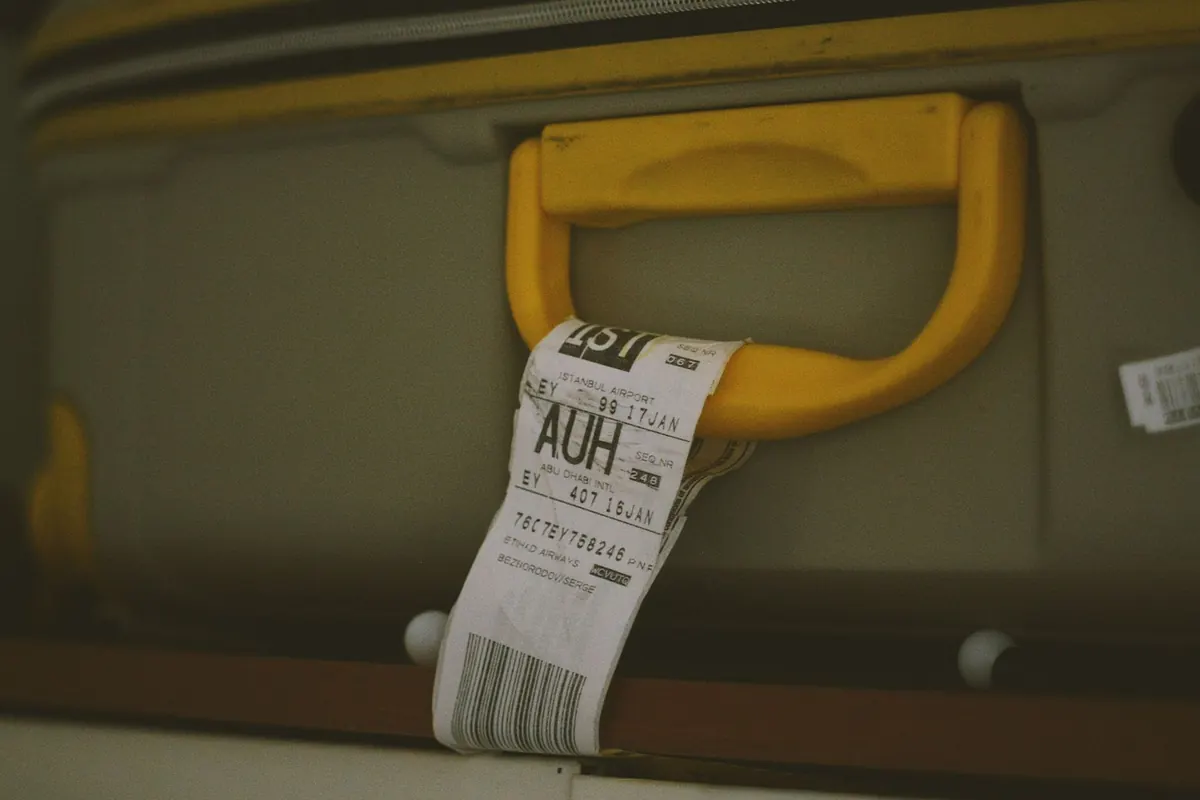
Book high-speed and Intercity trains as early as you can, and treat ferries to the islands the same way. Regional trains do not sell out in the same manner, but they are crowded, and standing for two hours with a suitcase is a poor use of a holiday morning.
By car
Drive early or late, not at midday. Motorway service areas get mobbed at lunchtime on the 15th, so carry water and something to eat rather than joining a queue for a panino. If you are heading for the coast, leave before seven; the difference between six and nine in the morning is often two hours of tailback.
Rental cars and boats
Collect your car before the 15th if you can. Rental desks at small airports keep odd hours on public holidays, and if you are returning a vehicle when the office is shut, photograph it and keep the paperwork. For boats and hydrofoils to the smaller islands, reserve both directions in advance.
Smart Alternatives for Travelers
You do not need to avoid Italy in mid-August. You do need to choose your base with the calendar in mind.
Cities and culture
Rome, Florence, Naples and Bologna keep their museums and much of their restaurant scene running. The real opponent is heat, so copy the locals: sights early, a long indoor lunch, a siesta, and a late evening walk when the stone has cooled. In business cities such as Milan, August can actually be an easier time to find a room than June or September.
Coast, lakes and mountains
- Beach clubs: the 15th is the busiest beach day of the year. Reserve an umbrella days ahead, or arrive early for the free stretches and accept that you will be close to your neighbours.
- Mountain huts: book the Ferragosto lunch at a rifugio if that appeals; it is a genuine local tradition. Many hotels in the Dolomites and Alto Adige prefer week-long half-board bookings in August.
- Agriturismi and countryside stays: confirm that the kitchen is actually open for dinner on the 15th, not just that the room is available.
- Small-town sagre: these local food festivals, usually in the evening, cluster around mid-August. They are cheap, unpretentious and a good way to eat with the people who actually live there.
- Islands: book crossings and beds early, and avoid being a day-tripper on the afternoon boat when everyone else has the same idea.
If you are near Siena on 16 August, the Palio runs the day after Ferragosto and draws a crowd that fills the city. Elsewhere, ask at your hotel about the evening programme: fireworks over water, processions with candles, a band in the piazza. Most towns do something, and almost none of it is advertised abroad.
Plan It: A Practical Checklist
- Book transport first. Trains and ferries before hotels; the seats that vanish are the ones on the 14th and 15th.
- Confirm opening hours directly. A message to your host or hotel beats any listing you find online.
- Reserve the Ferragosto meal. Lunch on 15 August is the one meal of the year that genuinely needs booking.
- Keep the day light. A beach, a mountain walk, a long lunch. Do not schedule a day of museum-hopping when half the city is at the sea.
- Shop on the 14th. Water, snacks, sunscreen, anything you would hate to hunt for on a public holiday.
- Carry some cash and a backup dinner plan. Small places that do open on the 15th are not always set up for cards.
- Shift your trip by 48 hours if you can. The days around the 15th are the real holiday; the 16th and 17th are noticeably calmer almost everywhere.
None of this is complicated, and none of it requires avoiding Italy in August. Ferragosto is not an obstacle to a good trip so much as a fact of the landscape: learn its rhythm, book the few things that matter, and leave room for the long lunch. That, after all, is what everyone else is doing.
Photo: travelspot / Pixabay