Tuscany Hill Towns Comparison: Siena, San Gimignano, and Montepulciano
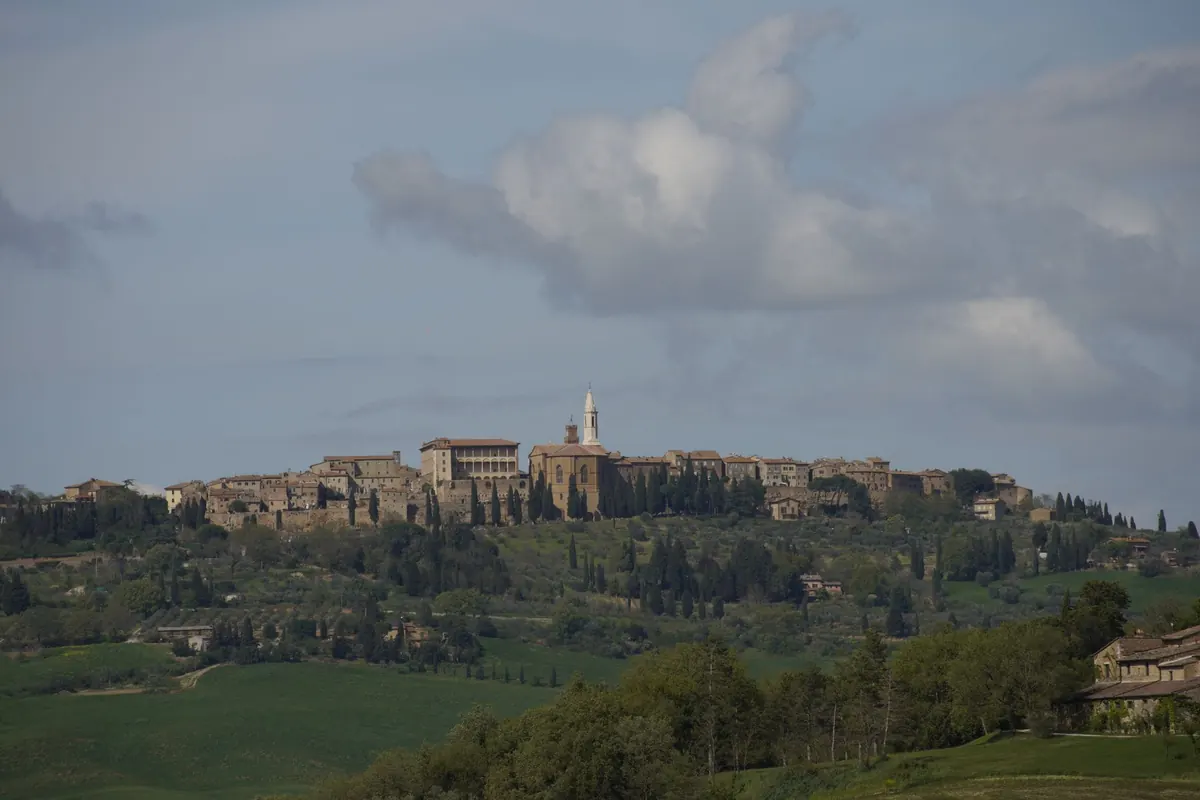
Three towns, one stretch of Tuscany, and only so many days. Siena, San Gimignano and Montepulciano end up in the same conversation so often that travellers assume they are interchangeable. They are not. Siena is a living city wrapped around a medieval shell, San Gimignano is a small walled town with a skyline that does most of the work, and Montepulciano is a wine town strung along a ridge with cellars dug underneath the streets. Choose badly and you get a hot afternoon in a crowd. Choose well and one of them becomes the part of the trip you keep talking about. Here is how they compare on the things that actually shape a day: crowds, scenery, food, transport and whether the place works as a day trip.
The Short Version
- Siena — best for depth, city life and a proper full day. Trade-off: bigger, steeper, hotter in summer, and you will walk a lot.
- San Gimignano — best for the skyline and an easy half-day. Trade-off: the heaviest crowds relative to its size.
- Montepulciano — best for wine, long views and a slower pace. Trade-off: the most awkward of the three without a car, and the climb is real.
If you have one day and one town only, pick Siena for range or Montepulciano for calm. San Gimignano rewards a short visit beautifully but rarely needs a night unless you want the town to yourself after the coaches leave.
Crowds: When Each Town Breathes
San Gimignano has the sharpest rhythm. Coaches from Florence and Siena unload through the middle of the morning, the two main streets — Via San Giovanni and Via San Matteo — fill up, and by late afternoon it drains again. Arrive before ten or after five and the same town feels entirely different: shutters open, residents chatting, the towers casting long shadows. Staying one night is the single best-value move here.
Siena absorbs people far better because it is a working city with three terzi and dozens of quiet lanes. Even in high season, walk five minutes off Piazza del Campo and the crowd thins. Two exceptions matter. The Palio on 2 July and 16 August packs the Campo and pushes accommodation prices up months in advance; book very early or avoid those weeks entirely. And the Campo itself at midday in July is a bright, hot bowl — go early, go late, or sit in the shade of the arcades.
Montepulciano is the quietest of the three most of the year, though the Corso fills on weekends and during wine events. Its busiest moments come from tastings and cellar tours rather than from passing traffic, which means the town empties in the evening and stays pleasant.
Scenery and Streetscapes
San Gimignano is a silhouette town. The towers do the work from a distance, and inside the walls the reward is the view from the park at the Rocca, looking out over the Val d'Elsa and the vineyards that produce the local white. It is compact enough to see in a couple of hours, which is both its charm and its limitation.
Siena is not a panorama town; it is an interior one. The drama is the brick shell of Piazza del Campo tilted toward the Palazzo Pubblico, the striped marble of the Duomo, and the inlaid pavement floor that is uncovered for a stretch in late summer and early autumn. Climb the Torre del Mangia for the classic rooftop view, or take the narrow staircase up the Facciatone — the unfinished façade of the cathedral that never got built — for a view over the whole city with half the queue. Both involve several hundred steps and no lift.
Montepulciano gives you distance. From Piazza Grande and the walls near the fortress you look across the Val d'Orcia on one side and toward the Valdichiana on the other, and the town's single long climb means every turn frames a new angle. Walk down to the church of San Biagio below the walls in the late afternoon; it is a short trip and a completely different perspective on the town.
Food and Wine, Town by Town
Siena eats like a city. Order pici with a heavy ragù, ribollita, or Cinta Senese pork, and finish with panforte or ricciarelli from a proper bakery rather than a souvenir shop. A useful rule: restaurants on the Campo sell the view, not the cooking. Walk two or three streets into the Terzo di San Martino and quality rises while prices fall.
San Gimignano is a white-wine town — Vernaccia, crisp and slightly bitter on the finish — plus saffron, wild boar and pecorino. Eat a real lunch rather than grazing, and be sceptical of gelato displays piled a metre high in the main street; the best shops keep it flat and covered.
Montepulciano is the serious wine stop of the three. Vino Nobile comes from Sangiovese grown on the slopes below town, and many cellars under the Corso run tastings and short tours. Pair a glass with pecorino, pici all'aglione or a plate of local salumi. If you are driving afterwards, spit or book a driver; the roads out of town are not forgiving.
Transport and Day-Trip Logistics
By car
All three have limited-traffic zones, so park outside the walls and walk in. Siena's peripheral car parks connect to the centre by escalators and lifts, which spares you the hill. San Gimignano's lots sit a few minutes from the gates. Montepulciano's approach is steep and the streets narrow; take the first signed car park you meet and accept the climb.
By public transport
Siena is the easiest: frequent buses from Florence take a little over an hour and drop you near the centre, and the train via Empoli works too. San Gimignano has no station of its own — you take the train to Poggibonsi and change to a local bus for the last stretch. Montepulciano's station sits well below the town on the Chiusi–Siena line, so you will need a bus or taxi up; coming from Rome or Florence, Chiusi is the practical rail gateway.
Day-Trip Practicality: How to Sequence Them
- Give Siena a full day and, if possible, a night. Morning Duomo, midday shade, late-afternoon tower climb, dinner off the Campo.
- Treat San Gimignano as a half-day. Early arrival, towers and Rocca, lunch, then move on to Colle di Val d'Elsa or Certaldo.
- Build a day around Montepulciano, Pienza and Montalcino if you have a car. Even then, two of the three is more realistic than three.
- Do not attempt all three in one day. The driving alone eats the daylight, and each town deserves better than a photo stop.
Making It Work
Two nights in Siena plus one in Montepulciano covers the strongest of the three and gives you an evening in each without a car. Add San Gimignano as a morning on the way between them if you are driving, or as a separate half-day from Florence if you are not. Wear shoes with grip — all three towns are paved in polished stone and all three are built on slopes. Carry water in summer, keep a light layer for cellar tours, and check opening hours before you commit to a Monday.
Whichever you choose, book the big sights ahead in high season and leave one afternoon deliberately empty. Hill towns reward the person with nowhere urgent to be.
Photo: Giuseppe Di Maria / Pexels