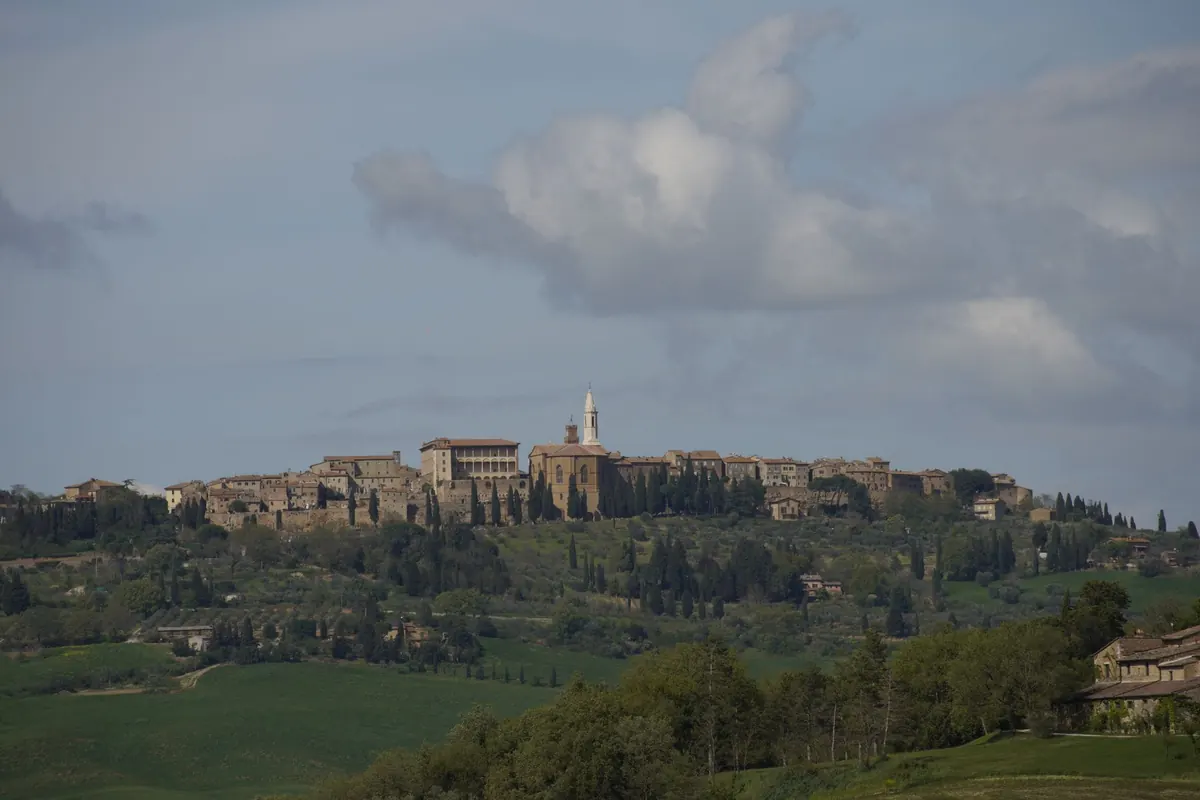
Venice in November: Weather, Crowds, and What to Book Ahead
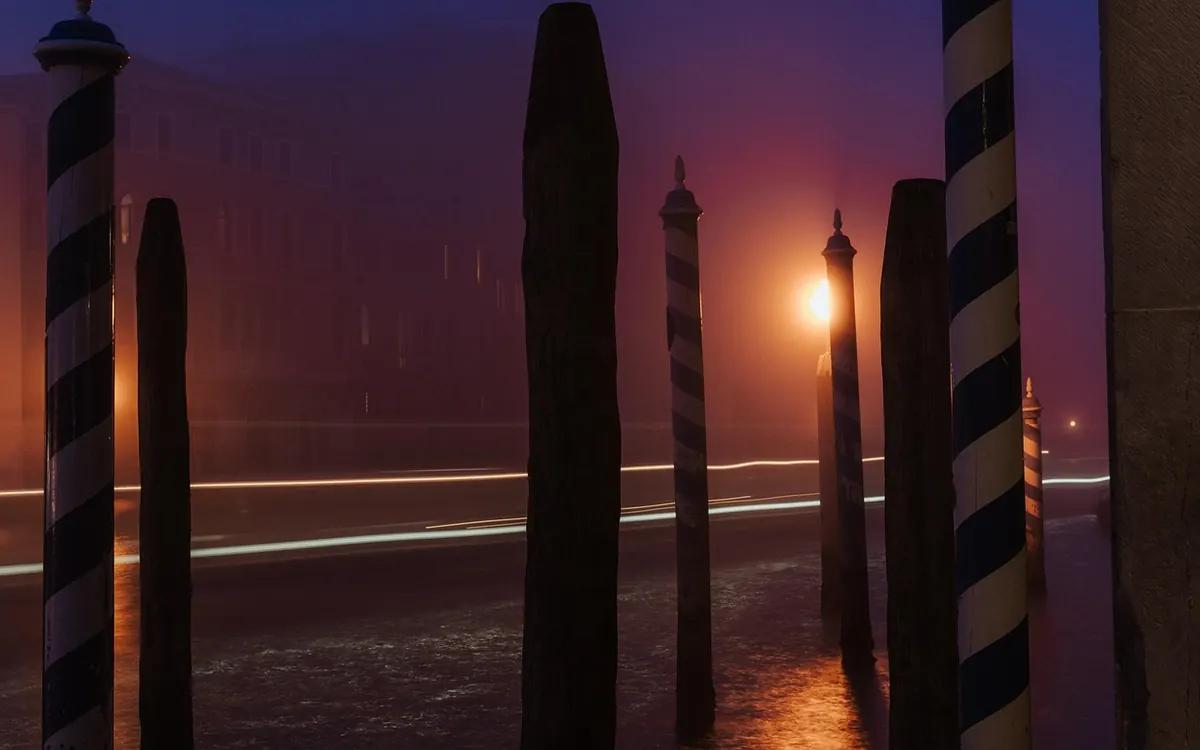
Venice in November is not the postcard. The light goes soft and grey, the lagoon smells of rain and salt, and the number 1 vaporetto at eight in the morning has seats to spare. It is also the month when the city gets on with its own life: school runs on the water bus, deliveries being unloaded at the Erbaria, woodsmoke drifting over the canals at dusk. Pack for water and short days, and you will see a version of Venice that summer visitors rarely manage.
What November Weather Actually Feels Like
Daytime temperatures usually sit in the low teens Celsius, with nights noticeably colder, and the wind coming off the lagoon makes both feel lower than the thermometer says. November is one of the wetter months, though the rain rarely settles in for a whole day. More often you get a sharp shower, an hour of pale sun, then another shower. A thin waterproof layer you can keep in your bag is worth more than a heavy coat.
Morning fog is the month's signature. It softens the campanili, muffles the boat engines and can thicken enough on the lagoon to slow down water buses and, occasionally, flights. Don't build a tight connection into your departure day.
Daylight is short and low. Sunset moves from just before five at the start of the month to roughly half past four by the end, and darkness arrives quickly. That sounds gloomy; in practice the low sun on brick and stone, and the way it catches the water, is exactly why photographers like November. Aim to be outside between mid-morning and three, and save the last hour of light for a slow walk rather than a museum.
What to pack matters less than what you put on your feet. Waterproof shoes with a proper sole, layers you can peel off, a scarf for the vaporetto, a compact umbrella, and a bag you can carry up bridges — the steps are the sworn enemy of a heavy wheeled suitcase.
Acqua Alta, Without the Drama
High water in Venice comes from a combination of astronomical tide, low pressure and a strong southerly wind pushing water up the Adriatic. It is a normal, seasonal event, most common between October and December, and it is measured in centimetres and hours rather than days.
The picture has changed in recent years. The mobile barriers at the lagoon inlets are now raised when a tide is forecast to reach the level that would flood the historic centre, which has made the serious, knee-deep emergencies far rarer. What you are most likely to see in November is a shallow layer of water at the lowest points — parts of Piazza San Marco, the area around Rialto — for a couple of hours either side of the peak.
If the sirens sound
The city runs an acoustic alert system for significant tides, and hotel staff will happily explain it. Your response should be practical rather than dramatic:
- Check the tide forecast the evening before; the city's tide centre publishes timings and expected levels, and there are reliable apps that mirror it.
- Buy or borrow boots. Many hotels lend them; otherwise the shops around the main squares sell basic rubber boots cheaply.
- Follow the raised walkways. They appear before the water does and mark the dry route through the lowest streets.
- Keep your plans. Churches, museums, shops and bars stay open, and the water drains away with the tide.
The Crowd Curve: First Week Versus the Rest
November has two personalities. The first few days, which usually overlap with the 1 November public holiday, bring a genuine bump: long weekends, Italian families, booked-out restaurants. Then, from roughly the second week, the numbers fall away. Not to zero — Venice is never empty — but to the point where you can cross Campo Santa Margherita without weaving, and get a table without a negotiation.
The daily rhythm matters as much as the monthly one. Day-trippers arrive mid-morning and leave by late afternoon, so the strip between San Marco and Rialto is at its worst from about ten to four. Early morning is the reward: at eight the Piazza belongs to the cleaners, the pigeons and a handful of people with cameras. After five, with the light gone and the excursion boats heading for the mainland, the calli empty out again and the city becomes a place with residents in it.
Prices follow the same curve, and a handful of seasonal restaurants and hotels close for a short break during the month. If there is somewhere specific you want to eat, check it is open before you build an evening around it.
A Quieter Venice: Where to Point Yourself
The trick in November is to skip the obvious route and give yourself over to the edges. Some reliable directions:
- Castello. Via Garibaldi feels like a small town's high street, and the walk out to San Pietro di Castello is quiet even in high season.
- Northern Cannaregio. Beyond the busy aperitivo stretch of the Misericordia, around Madonna dell'Orto, the streets empty out fast.
- The Zattere and western Dorsoduro. A bright cold morning on this long waterfront is one of the best free experiences in the city.
- The art, indoors. Santa Maria dei Miracoli, the Frari, and the Tintorettos of the Scuola Grande di San Rocco — quiet, warm and mercifully free of queues in November.
- Murano and Burano. Off-season, with fewer tour groups and furnaces still working, the islands feel like working places again. Go early and take the slow boat back.
- The northern lagoon. Torcello and Mazzorbo in fog are worth the trip; wrap up properly for the crossing.
What to Book Ahead
You do not need to lock down November the way you would June, but a short list is worth sorting before you travel:
- A place to stay, with a flexible rate. The good-value rooms in Cannaregio and Dorsoduro go first, and a cancellable booking protects you if the weather turns.
- St Mark's Basilica. Book a timed entry slot through the basilica's own ticket service, and add the Pala d'Oro and the loggia if you want the view over the Piazza.
- Doge's Palace and the Accademia. Both sell timed tickets online and both are far better with a slot than without one, even in a quiet month.
- Vaporetto passes. Single rides are expensive enough that a multi-day pass usually pays for itself after a few trips. Buy in advance or at the ticket machines, and validate it before the first boarding.
- Airport transfer. Decide between the Alilaguna boat, a land bus plus a walk, or a water taxi, and book a water taxi if you want one — the price is fixed by published rates, so ask before you get in.
- A couple of dinners. Midweek you can usually walk in, but the small, well-known places fill up. Reserve two or three and leave the rest to chance.
What can wait
Most churches, walking tours, gondola rides and day trips to Murano can be arranged a day ahead, and often on the day itself. Keeping part of the schedule open is the whole point of coming in November.
Practical Notes Before You Go
Travel insurance is worth the small cost if you are flying in for a short break, since November weather can and does delay boats and flights; read the policy rather than assuming it covers disruption.
Check the tide and weather forecasts each evening — ten minutes with a phone over dinner is enough to plan the next morning. Pharmacies rotate night and holiday opening, so ask at your hotel if something comes up; for anything beyond a minor problem, your own doctor or insurer is the right first call.
Finally, resist the urge to do the whole city in three days. November rewards a smaller radius: one sestiere explored properly in the morning, a long lunch, a museum while the rain passes, and an early evening walk when the streets belong to the people who live there.
Photo: DWNTKRS / Pixabay